
Xiaomi has officially introduced Xiaomi Tag, a new item tracker positioned as a more affordable alternative to premium options like Apple AirTag 2. The device is priced at roughly half the cost of high-end competitors while still supporting both Apple Find My and Google Find Hub. This allows users to track belongings through Apple’s and Google’s extensive device ecosystems. However, one notable omission is Ultra Wideband (UWB), meaning it lacks ultra-precise location tracking. take a look at Xiaomi Tag with 91 club
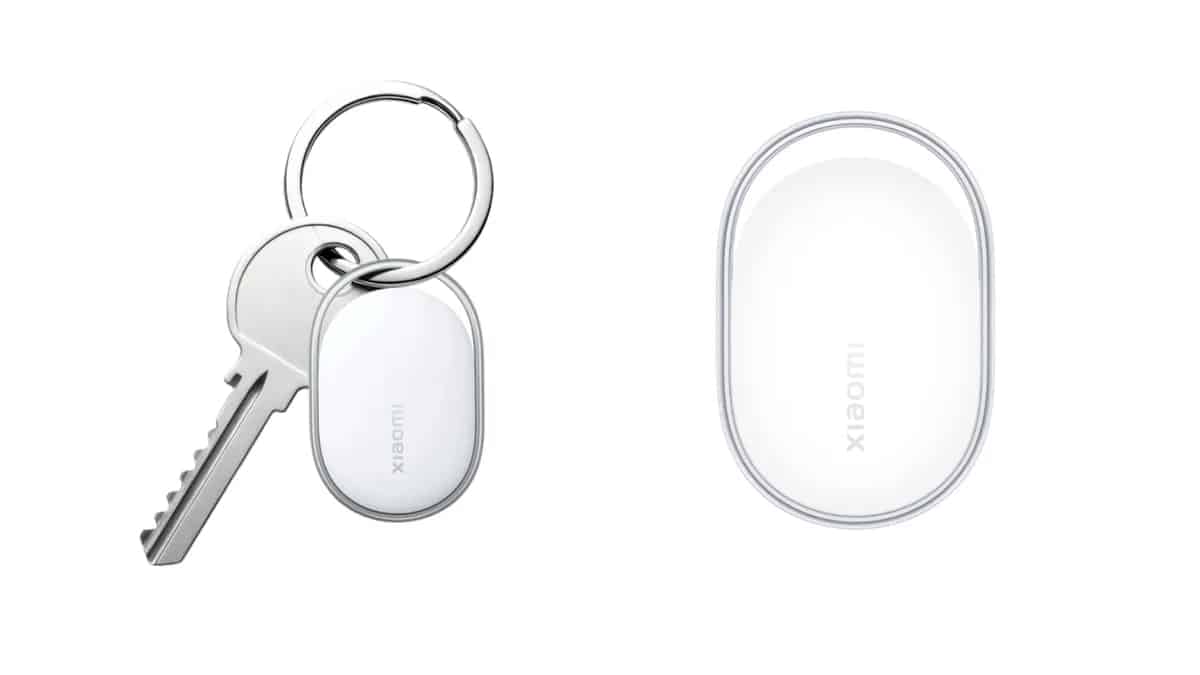
In terms of pricing, Xiaomi Tag is currently available in Europe at competitive rates. In France, it is priced at around 18 euros, which converts to approximately ₹1,620 INR. In some Eastern European markets, the price drops to 14 euros, or roughly ₹1,260 INR (based on an estimated exchange rate of 1 euro ≈ ₹90 INR). This places Xiaomi Tag among the most affordable smart trackers on the market today, especially compared to UWB-enabled devices that often cost nearly twice as much.
The device carries the model number BHR08SPGL and features a compact, minimalist white design. Weighing just about 8 grams, it is light enough to attach to keys, backpacks, wallets, or place inside luggage without adding noticeable bulk. Xiaomi Tag comes with an IP67 dust and water resistance rating, offering protection against dust and temporary water immersion under normal usage conditions. It supports Bluetooth 5.4 connectivity and runs on a replaceable CR2032 coin-cell battery that can last up to one year. Additionally, it includes a built-in speaker to emit sound when users are searching for nearby items.
Instead of Ultra Wideband, Xiaomi Tag relies on Bluetooth technology for positioning. When within range, a paired smartphone detects the Bluetooth signal and estimates distance using RSSI signal strength. This provides a general sense of proximity (near or far) but does not deliver centimeter-level precision. If the tracker is outside the owner’s Bluetooth range, it leverages nearby Apple or Android devices within the network to anonymously detect and upload its last known location to the cloud. This enables users to continue tracking items even when they are far away.
The absence of UWB is the main distinction between Xiaomi Tag and higher-end products such as Apple AirTag 2. UWB technology enables highly accurate positioning within a few centimeters and supports Precision Finding, which displays directional guidance on a smartphone screen. However, Apple AirTag 2 is priced at about 29 USD, which converts to approximately ₹2,400 INR, significantly more expensive than Xiaomi Tag. This highlights Xiaomi’s strategy of prioritizing affordability and accessibility over ultra-precise tracking.

In practical use, Xiaomi Tag is suitable for attaching to keys, wallets, cars, backpacks, or travel luggage. Once connected to a smartphone, the companion app displays the item’s location on a map, which is particularly helpful in situations such as lost luggage at airports, forgotten belongings at cafés, or misplaced items in shopping centers. For everyday tracking needs, Bluetooth-based positioning is generally sufficient without the added cost of UWB.
Besides Xiaomi Tag, there are other budget-friendly smart tags that support Apple Find My. Xiaomi MiliTag is priced at around ₹650 INR , while Essager Smart Tag Tracker costs about ₹970 INR . Android users may also consider options like Ugreen FineTrack G at approximately ₹900 INR or Xiaomi Mili Tag Go at roughly ₹760 INR .These products mainly rely on Bluetooth and cater to similar basic tracking needs.
Overall, Xiaomi Tag stands out as a compelling budget tracking solution for everyday users. Although it lacks UWB for the highest level of precision, it effectively covers standard item-tracking requirements thanks to integration with Apple and Google ecosystems. If Xiaomi releases a future version with UWB support, the price will likely increase to reflect the added technology.
