
Wu Jing Under Mounting Pressure as Blade of the Guardians,Rise of the Desert Storm Surpasses ¥1 Billion
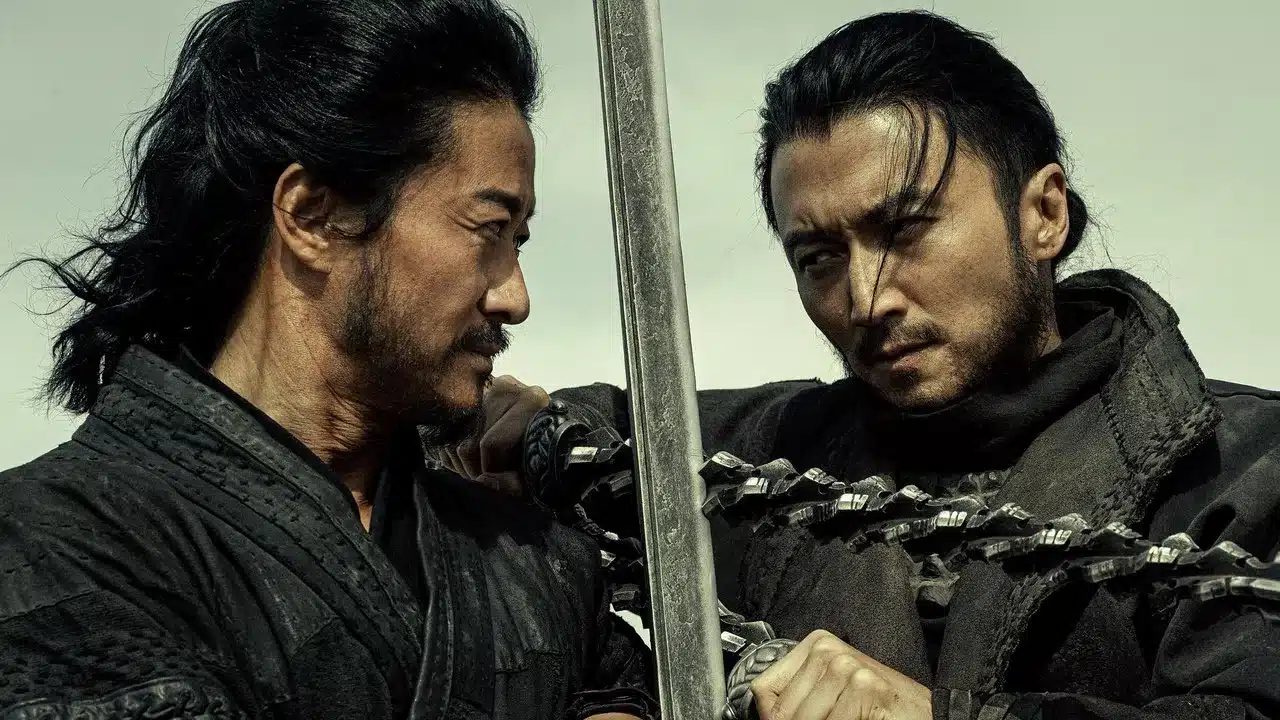
After an unremarkable start at the box office, the wuxia action epic Blade of the Guardians: Rise of the Desert Storm has staged a notable rebound in China. The film, produced by and starring Wu Jing, has officially crossed the ¥1 billion milestone, climbing into the upper ranks of the 2026 Lunar New Year holiday releases.
Yet the celebratory headline masks a more complicated reality. With production and marketing costs reportedly pushing the break-even point to an estimated ¥2–2.1 billion, the film remains under considerable financial pressure. For Wu Jing — who serves not only as the leading man but also as a key investor — the project represents one of the most ambitious and high-risk undertakings of his career.
A Lukewarm Opening Sparks Industry Doubts
When the film debuted, early box office numbers fell short of expectations. During its first two days in theaters, it grossed approximately ¥156–163 million — a modest result considering the scale of its investment and the star power attached to the project.
Industry observers were quick to question whether the film could sustain momentum amid intense competition from other major holiday releases. Some analysts even suggested it might become one of the most financially precarious ventures Wu Jing has ever backed.
However, the narrative shifted within weeks. Benefiting from improved word of mouth, expanded screening schedules, and stronger weekend turnout, the film began to climb steadily in daily rankings. The ¥1 billion mark, once uncertain, was ultimately surpassed — placing the film in close competition with Silent Awakening, directed by Zhang Yimou.
Still, the distance between ¥1 billion and the estimated break-even threshold remains substantial. While the rebound has alleviated immediate fears of outright failure, the path to profitability is far from guaranteed.
Spectacle and Action: The Film’s Core Strength
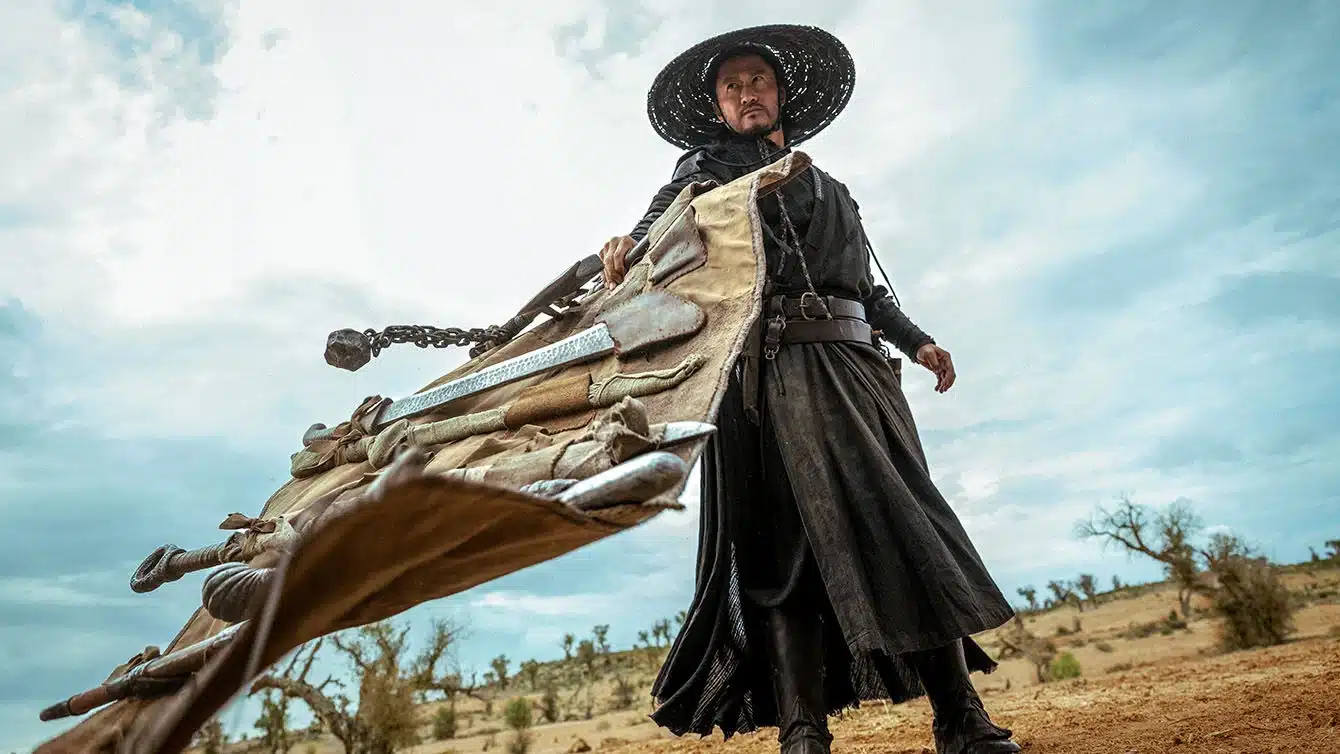
One area where the film has drawn widespread praise is its action choreography. True to Wu Jing’s established brand, the movie delivers relentless close-quarters combat, sweeping cavalry charges across expansive desert terrain, and meticulously staged weapon duels.
The desert setting provides a dramatic backdrop that enhances both scale and atmosphere. Large-scale battle sequences are executed with precision, combining practical stunts and visual effects to create a visceral cinematic experience. The production design, including costume detailing and environmental textures, contributes to a sense of epic grandeur rarely seen in recent traditional wuxia projects.
These strengths have resonated with audiences who crave spectacle-driven martial arts storytelling. On Douban, the film currently holds a 7.5/10 rating — a solid score for a commercial action blockbuster competing in a crowded holiday market.
Narrative Limitations and Mixed Critical Reception
Despite its technical accomplishments, Blade of the Guardians: Rise of the Desert Storm has faced criticism regarding its screenplay. Some viewers argue that while the plot is event-heavy and fast-paced, it lacks emotional depth and character complexity.
Several supporting roles are perceived as underdeveloped, serving more as functional devices within the action framework than as fully realized personalities. As a result, the film is often described as visually powerful but narratively restrained — excelling in form yet falling short of delivering a deeply resonant dramatic arc.
This divide in reception highlights a broader challenge within the genre: balancing large-scale spectacle with intimate storytelling.
A Pivotal Moment for Traditional Wuxia Cinema
Beyond its individual box office performance, the film carries symbolic weight for China’s traditional wuxia genre. In recent years, the market has been dominated by science fiction blockbusters, patriotic war dramas, and contemporary urban stories. Classic martial arts epics — once a defining pillar of Chinese cinema — have struggled to command similar investment or audience enthusiasm.
For many industry insiders, the fate of Blade of the Guardians may serve as a barometer for the commercial viability of large-scale wuxia productions. A strong final tally could restore confidence among studios and investors, potentially ushering in a new wave of high-budget martial arts storytelling. Conversely, a financial shortfall might discourage similar projects for years.
Wu Jing’s Career at a Crossroads
Wu Jing’s involvement adds another layer of intrigue. Known for headlining some of China’s most commercially successful action films, he has built a reputation as a bankable star capable of delivering massive box office returns. However, transitioning from contemporary military-themed hits to a traditional wuxia epic represents both creative ambition and financial risk.
If the film ultimately approaches or surpasses its break-even threshold, it would reinforce Wu Jing’s standing as one of China’s most influential action filmmakers. If not, it could prompt strategic recalibration in future projects.
For now, the box office race remains ongoing. With steady momentum still in play, Blade of the Guardians: Rise of the Desert Storm retains the potential to narrow the gap toward profitability. Yet the margin for error is slim.
At stake is more than a single film’s revenue. The outcome could influence the trajectory of big-budget wuxia cinema in China — and determine whether traditional martial arts epics can reclaim their place at the center of the country’s commercial film landscape.
read more with 91 club
