
What Is a Minigame? Depth Look at Bite-Sized Gaming Fun
Minigame is a compact, standalone gaming experience designed to deliver fast and engaging entertainment without requiring the long-term commitment of a full-scale game. It can exist as a feature within a larger title or function independently as a quick-play option. The core appeal of a minigame lies in its simplicity, it’s easy to begin, straightforward to understand, and enjoyable to replay multiple times.
Across mobile devices, web browsers, PCs, and consoles, the popularity of the minigame continues to expand. These small yet dynamic experiences appeal to casual players and dedicated gamers alike. Below, we explore what makes these games so appealing and how they enhance the overall gaming landscape.
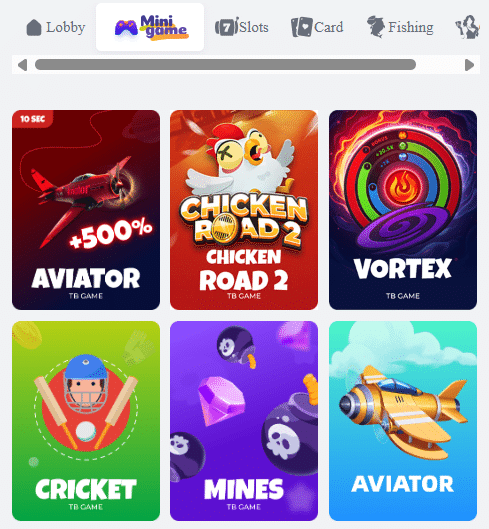
Why Minigames Continue to Attract Players
Fast and Convenient Gameplay
One of the biggest advantages of this game category on 91 club is how accessible it is. Most minigames are designed with intuitive controls and minimal instructions, allowing players to jump in immediately. This makes them perfect for short breaks, commutes, or moments when time is limited. Instead of investing hours into complex gameplay, players can enjoy a quick burst of fun and still feel a sense of accomplishment.
Simple Mechanics with Increasing Challenge
Although minigame is typically easy to learn, mastering it often requires skill and practice. Developers frequently design these games with basic mechanics that gradually become more challenging. This progression keeps players motivated and encourages repeated attempts to improve scores or unlock achievements. The compact format may seem small, but the satisfaction of conquering a tough challenge can be significant.
Diverse Concepts and Creative Design
Minigames come in countless formats, ranging from logic puzzles and timed races to reflex-based challenges and strategy tests. This diversity ensures there’s something for every type of player. Within larger games, a game can serve as a refreshing change from the main storyline, offering a lighthearted or experimental twist that keeps gameplay exciting and varied.
How Minigames Enhance Larger Games
Game developers often integrate a minigame into broader titles to increase engagement and replay value. These smaller challenges can serve multiple purposes, such as:
- Unlocking exclusive rewards or bonus content
- Testing specific skills or strategies
- Providing a break from intense or story-driven gameplay
- Adding humor, surprises, or side activities
When thoughtfully implemented, a minigame enriches the overall experience without distracting from the primary narrative. It adds depth while keeping the main game balanced and enjoyable.
Benefits of Playing a Minigame
Beyond pure entertainment, playing a minigame can support mental development. Many minigames stimulate cognitive functions such as memory, hand-eye coordination, reaction speed, and logical reasoning. Because sessions are typically short, players can enjoy mental engagement without experiencing burnout.
Minigames also foster social interaction. Multiplayer options encourage friendly competition, collaboration, and shared enjoyment. Whether played at parties, online, or with friends, a minigame can create memorable social experiences.
Minigames as a Tool for Digital Engagement
Outside of traditional gaming, the minigame has become a powerful marketing and engagement tool. Businesses and brands incorporate interactive minigames into websites and promotional campaigns to capture user attention. These interactive experiences help to:
- Increase visitor retention time
- Encourage active participation
- Showcase products in an engaging way
- Inspire social media sharing
By transforming passive browsing into active involvement, a minigame can significantly enhance user engagement and brand visibility.

The Evolving Future of the Minigame
As technology continues to advance, the future of the minigame looks increasingly innovative. Improvements in mobile performance, augmented reality (AR), cloud gaming, and browser capabilities are enabling developers to create richer and more immersive small-scale experiences. Cross-platform compatibility also ensures players can enjoy a minigame anytime and anywhere.
With modern audiences seeking quick, interactive entertainment, the minigame is positioned to remain a vital component of the gaming industry for years to come.
Conclusion
Minigame demonstrates that compelling entertainment doesn’t need to be lengthy or complex. Whether used as a quick distraction, a mental challenge, or a creative addition to a larger game, a minigame delivers impactful enjoyment in a compact format. Its acces